The first thing that hits you is the noise.
Binondo doesn’t whisper. It screams. Horns blare, steam hisses from sidewalk stalls, and some old guy yells about fish balls while a tricycle rattles past like it’s coming apart at the seams. But you don’t come here for quiet. You come to eat. To taste something older than the city around it. Something stubborn, resilient, and goddamn delicious.
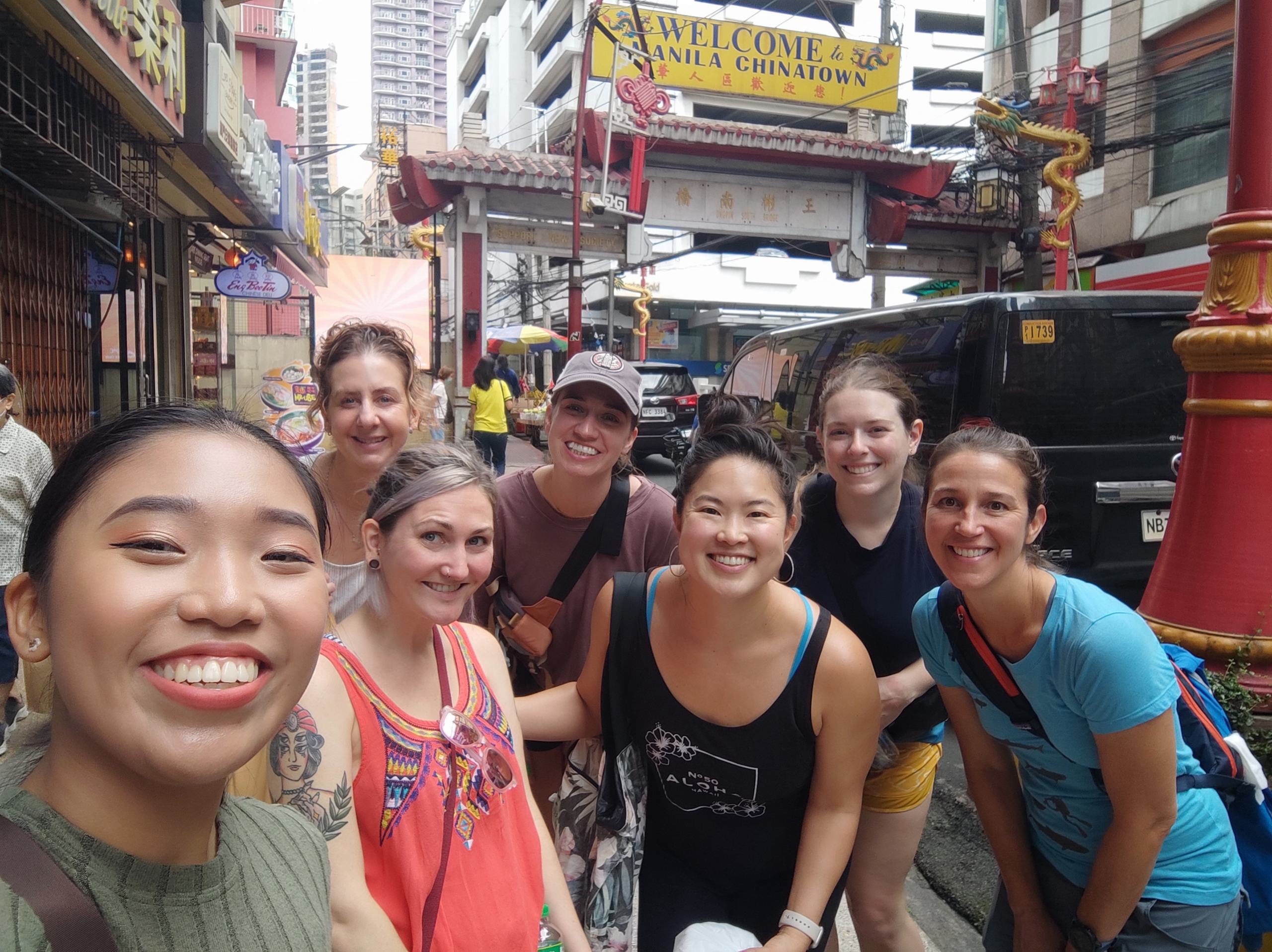
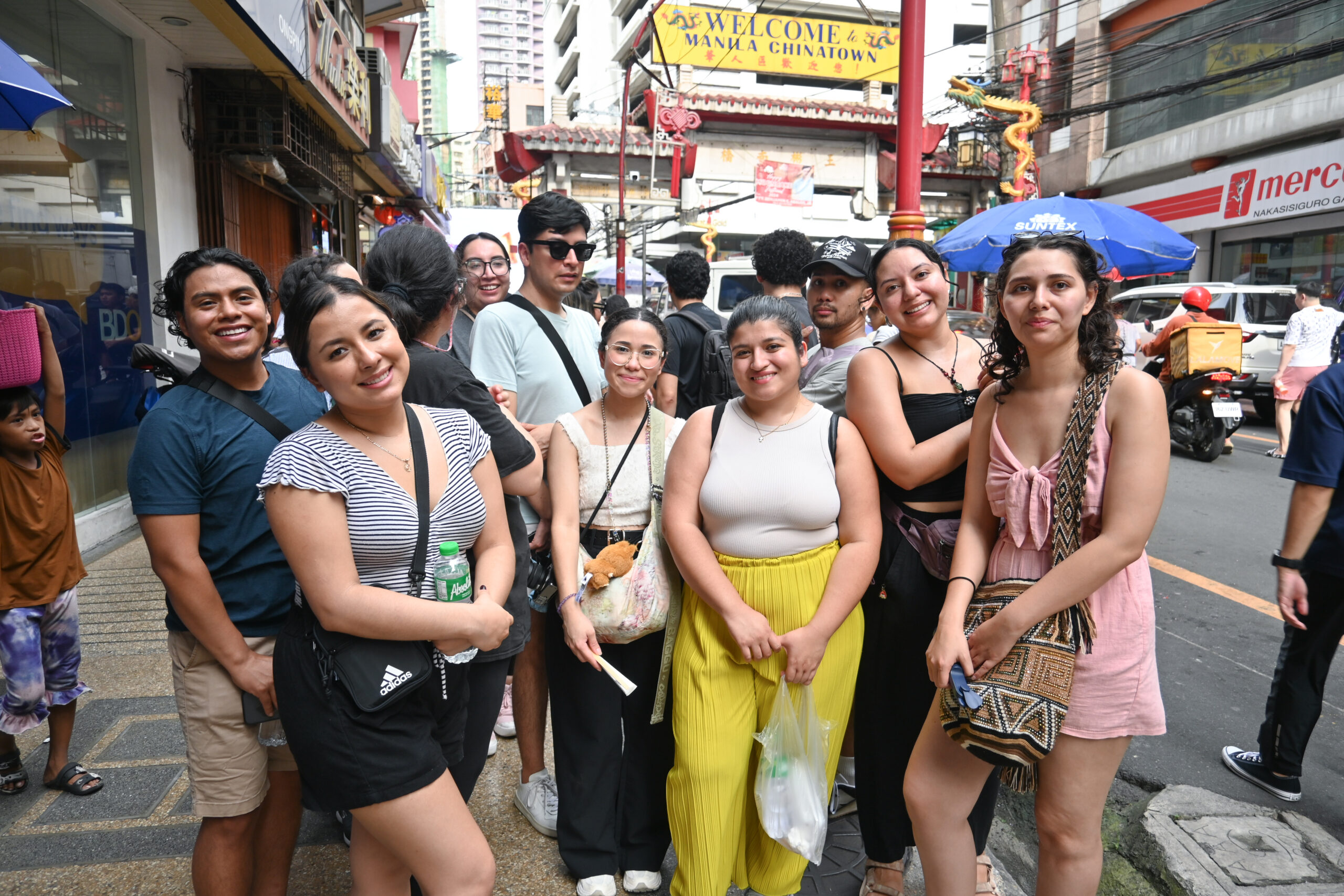
Manila’s Binondo is the oldest Chinatown in the world. Founded in the late 1500s by Chinese migrants, welcomed, taxed, monitored. Four hundred years later, it’s still standing. Still feeding generations. If you’re looking for the most authentic tours in Manila, this is it. And if you’re lucky enough to walk through it with someone who knows what they’re doing, you’ll understand why it’s considered one of the top things to do in Manila.
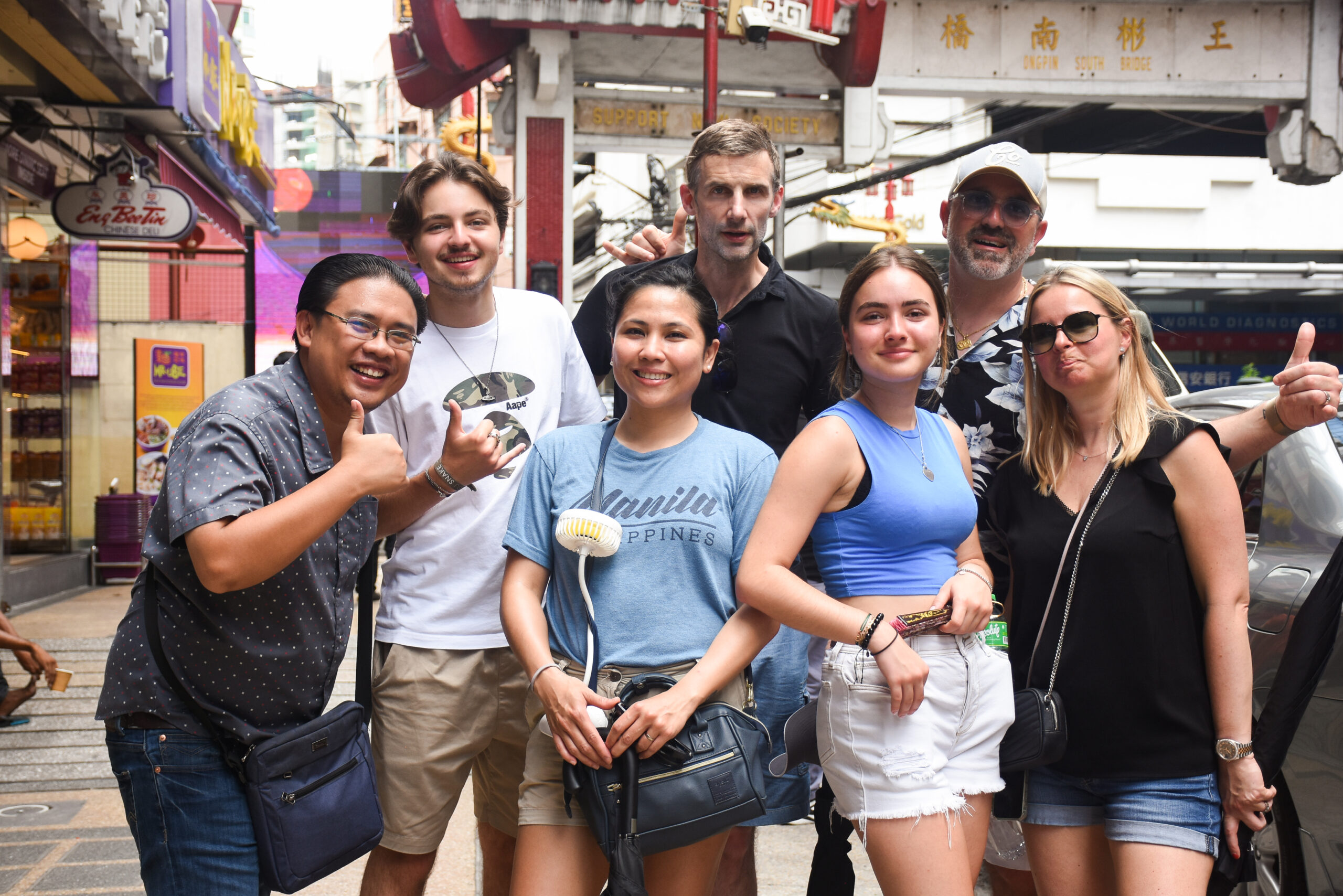
You’ll meet your guide in front of Binondo Church, stone walls weathered by centuries, its bell tower watching over the chaos like an old sentinel. Built by Dominican priests in the 1500s, the place still echoes with prayers, traffic, and the occasional firecracker. No small talk. No fluff. Just a nod, a smile, a quick briefing, and then straight into the mess.
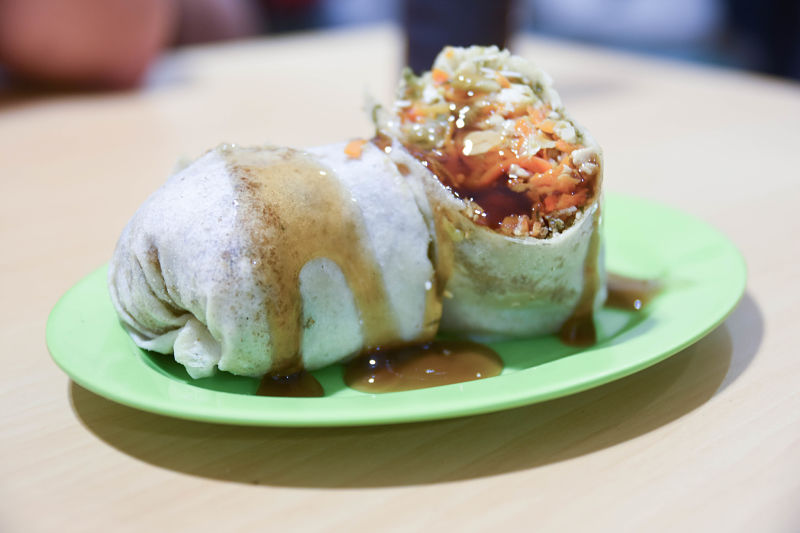
The food comes fast and often. One minute it’s fresh lumpia, stewed vegetables, crushed peanuts, powdered seaweed, brown sugar, all coming together for a sweet and savory symphony.
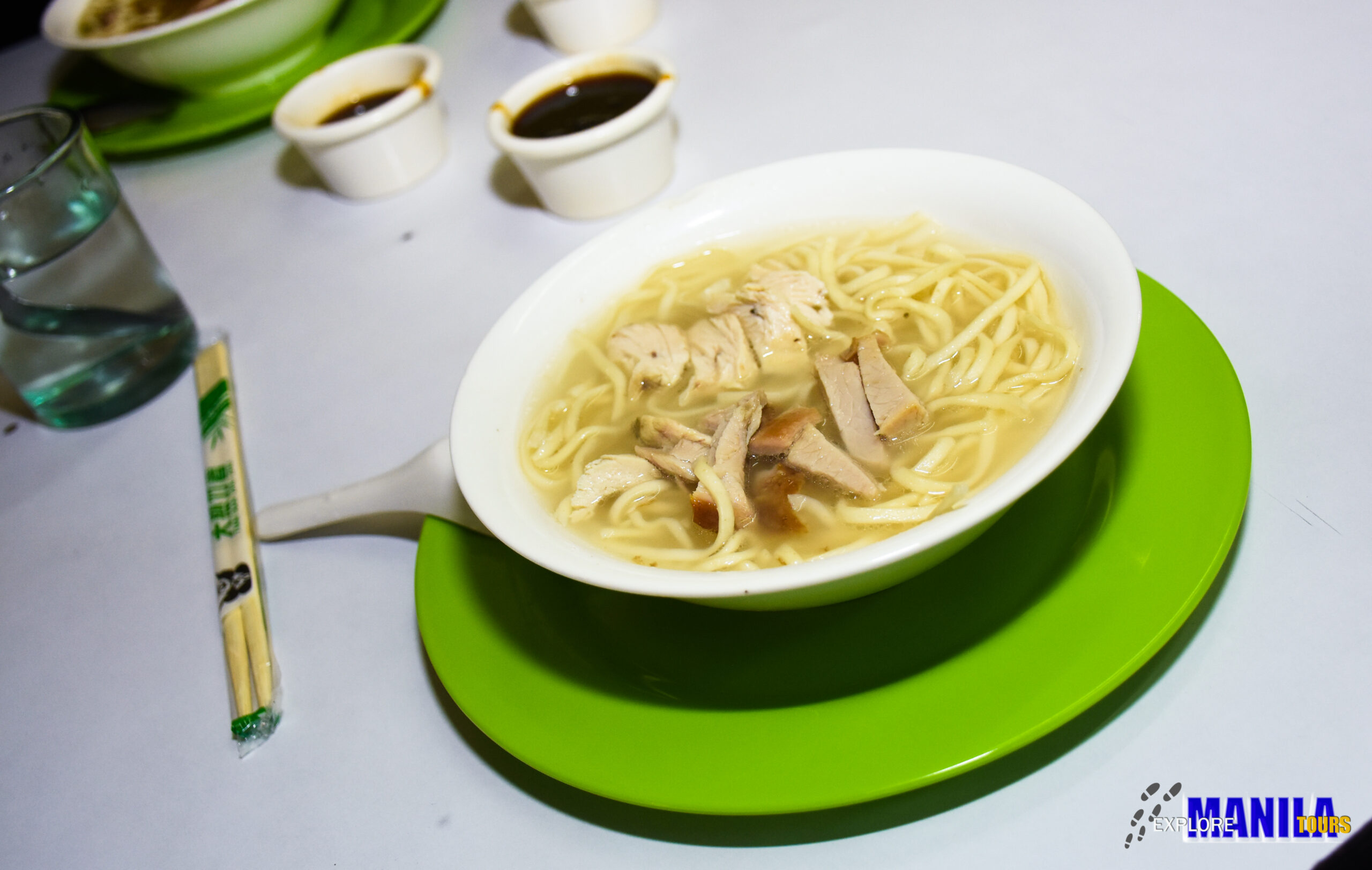
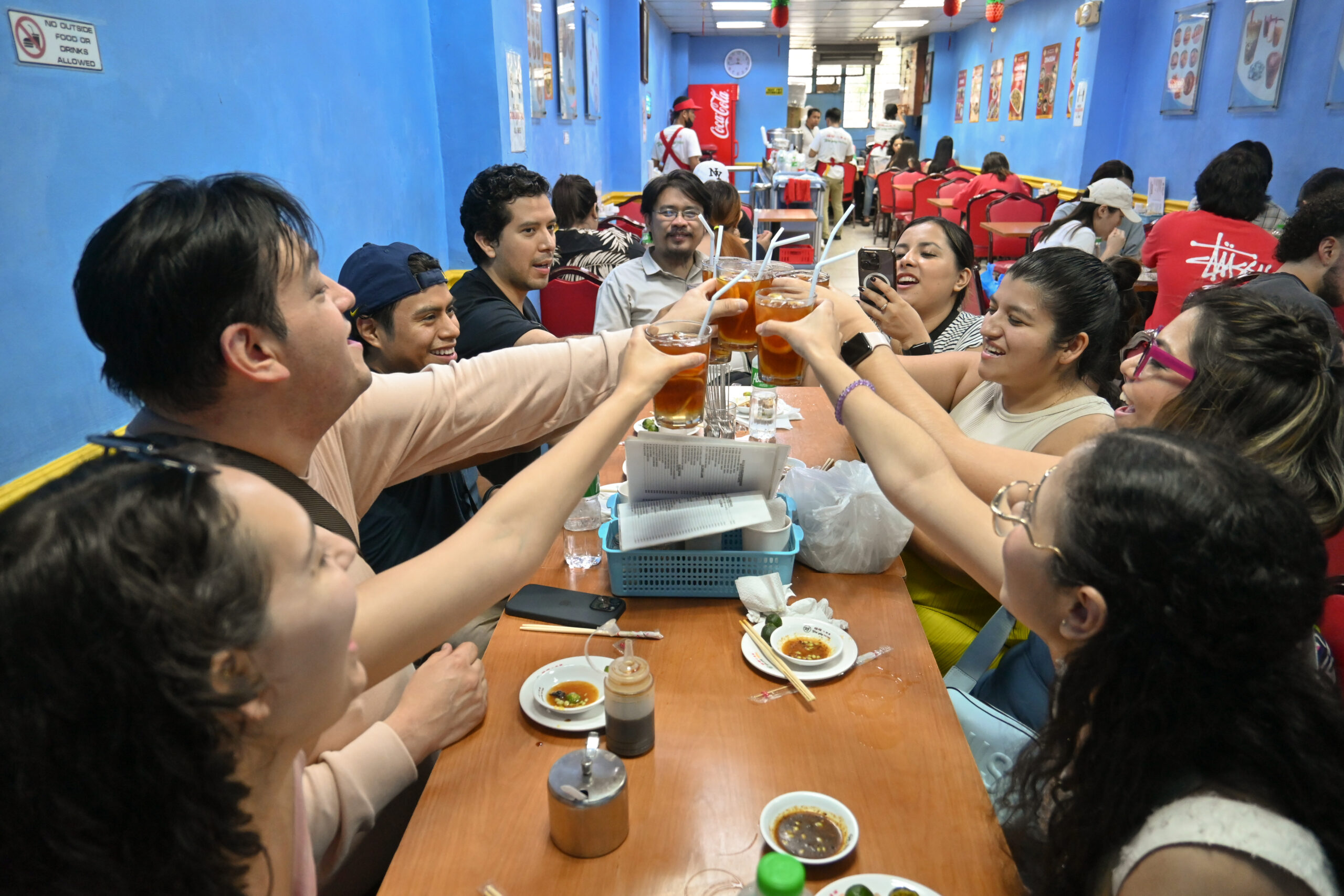
Then it’s herb-filled dumplings, fat with boiled pork, each bite a soft, savory punch wrapped in dough. Steaming bowls of mami noodle soup arrive, the broth cloudy with bone and marrow, noodles tangled like old phone cords, topped with slivers of meat that melt on contact.
Everything’s served without ceremony, no silverware laid out, no filters needed. Just honest food, made by people who’ve been doing this long before food tours in the Philippines became a thing.
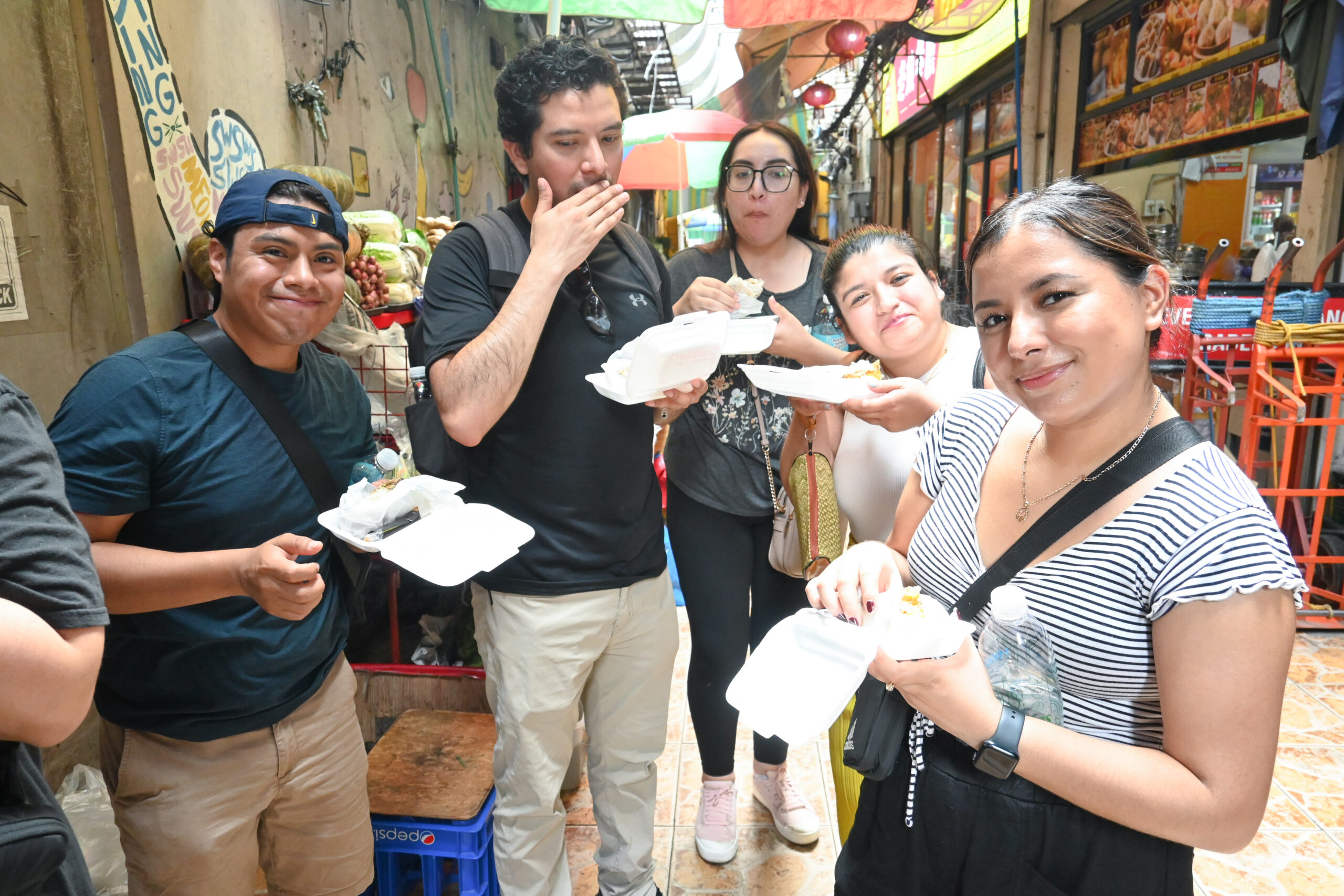
You eat with one hand, wipe your sweat with the other. You stand, you perch on plastic stools, you lean against faded walls under fraying tarps. This isn’t curated street food. It’s lived-in. Cooked fast, eaten faster.
Behind every stall is a story, of migration, of grit, of families that fed this city through fires, floods, and whatever else history threw their way.
You don’t stop to analyze it. You just keep eating. Because here in Binondo, the past isn’t in a museum. It’s hot, it’s wrapped in wax paper, and it’s being handed to you right now.
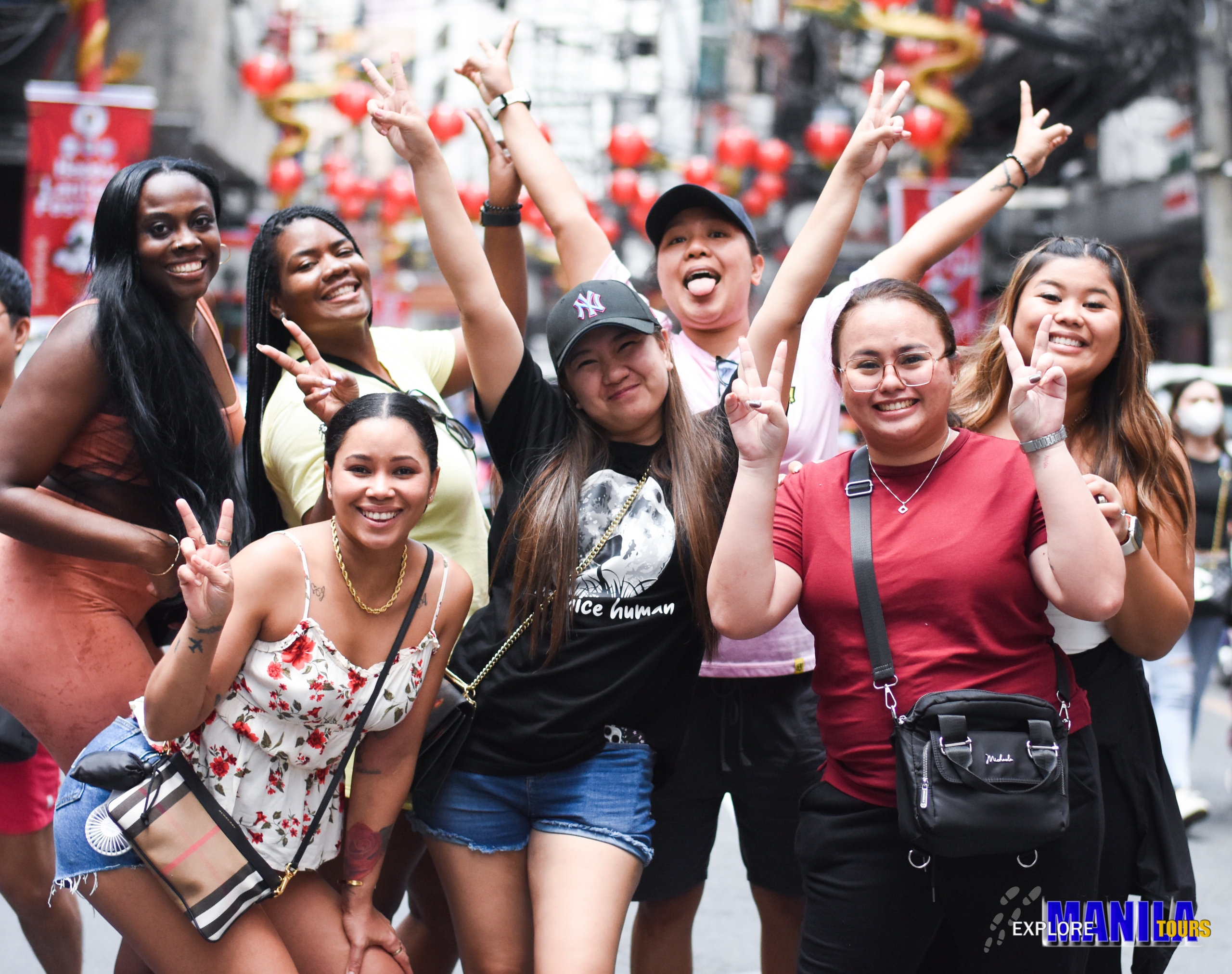
And yeah, there’s the usual chaos. Power lines knotted overhead like spaghetti. The scent of incense mixing with frying oil. Kids darting between carts, old women hawking pastries out of baskets. It’s everything all at once, and it’s beautiful.
At some point, the Binondo food tour ends. Or at least they tell you it does. But you don’t feel finished. Not even close. There’s still something down that alley, around that corner. Another flavor, another voice, another story fried in oil and served with a grin.
You’ll forget the names of the streets. But you’ll remember the taste. And the feeling. The way a simple meal in a forgotten corner of the city can crack you open, make you feel human again.
Binondo doesn’t care who you are. But if you show up hungry and honest, it’ll feed you like family.
If you’re planning a trip and searching for unforgettable things to do in the Philippines, start here.
Come hungry. Come curious.