There’s something sacred about being invited into someone’s home to eat. Not a restaurant. Not a curated tasting menu. A real home, with the smells of garlic sizzling in oil, the hum of family chatter, and the quiet dignity of someone who’s cooked the same dish for decades. Never for fame, never for likes, just because that’s how dinner is done.
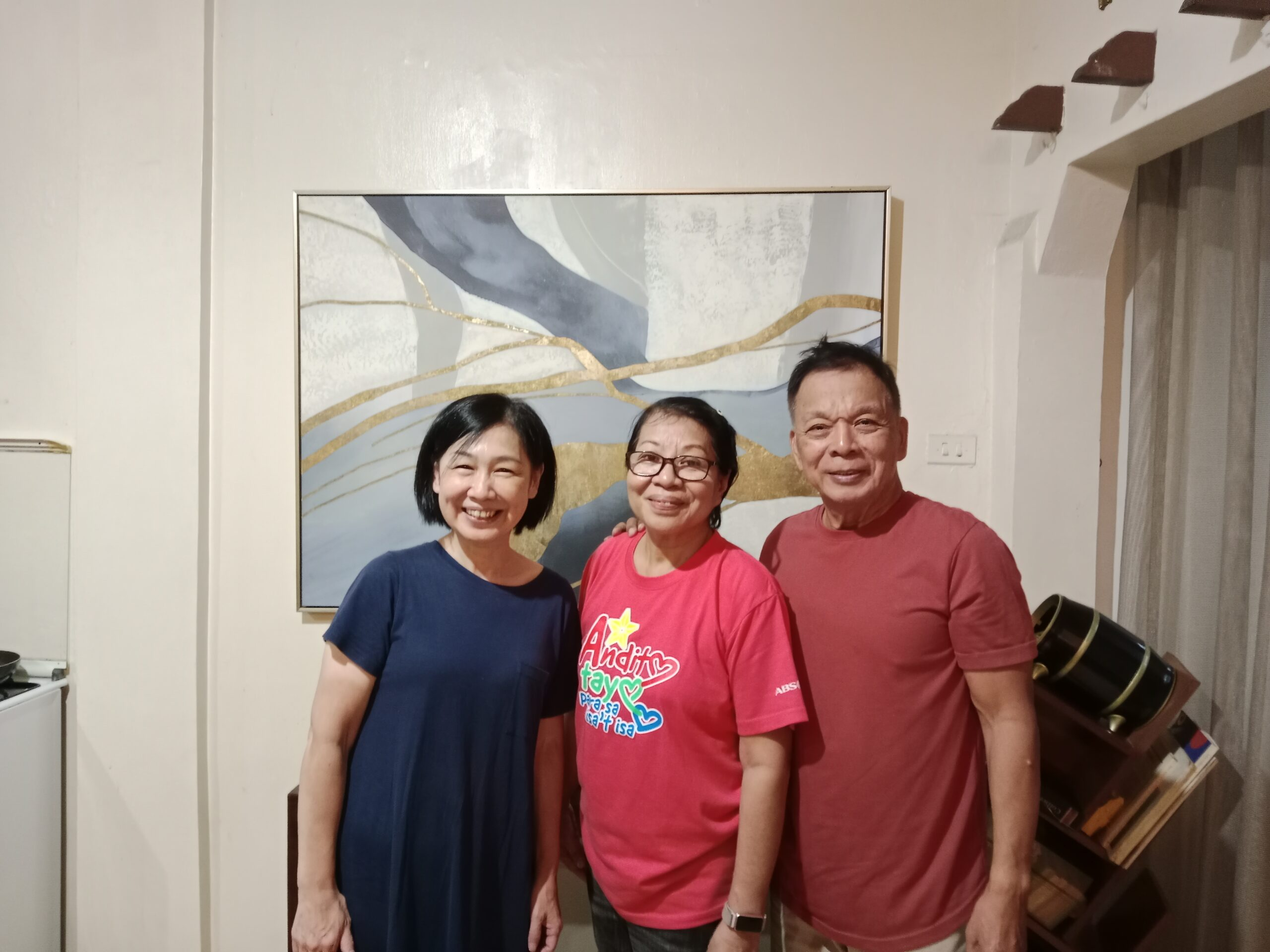
In the dense suburban sprawl of Taguig, far from glossy hotel buffets and airbrushed Instagram spots, you will find something that hits deeper: a meal with Lola Oyet, a grandmother with a sharp laugh, a sharper knife, and stories that stretch across generations.
You don’t show up here to be dazzled by fireworks. There’s no showmanship. You’re here to sit down, take your shoes off, and be fed like family. Slippers on. Plate in hand. Appetite open.
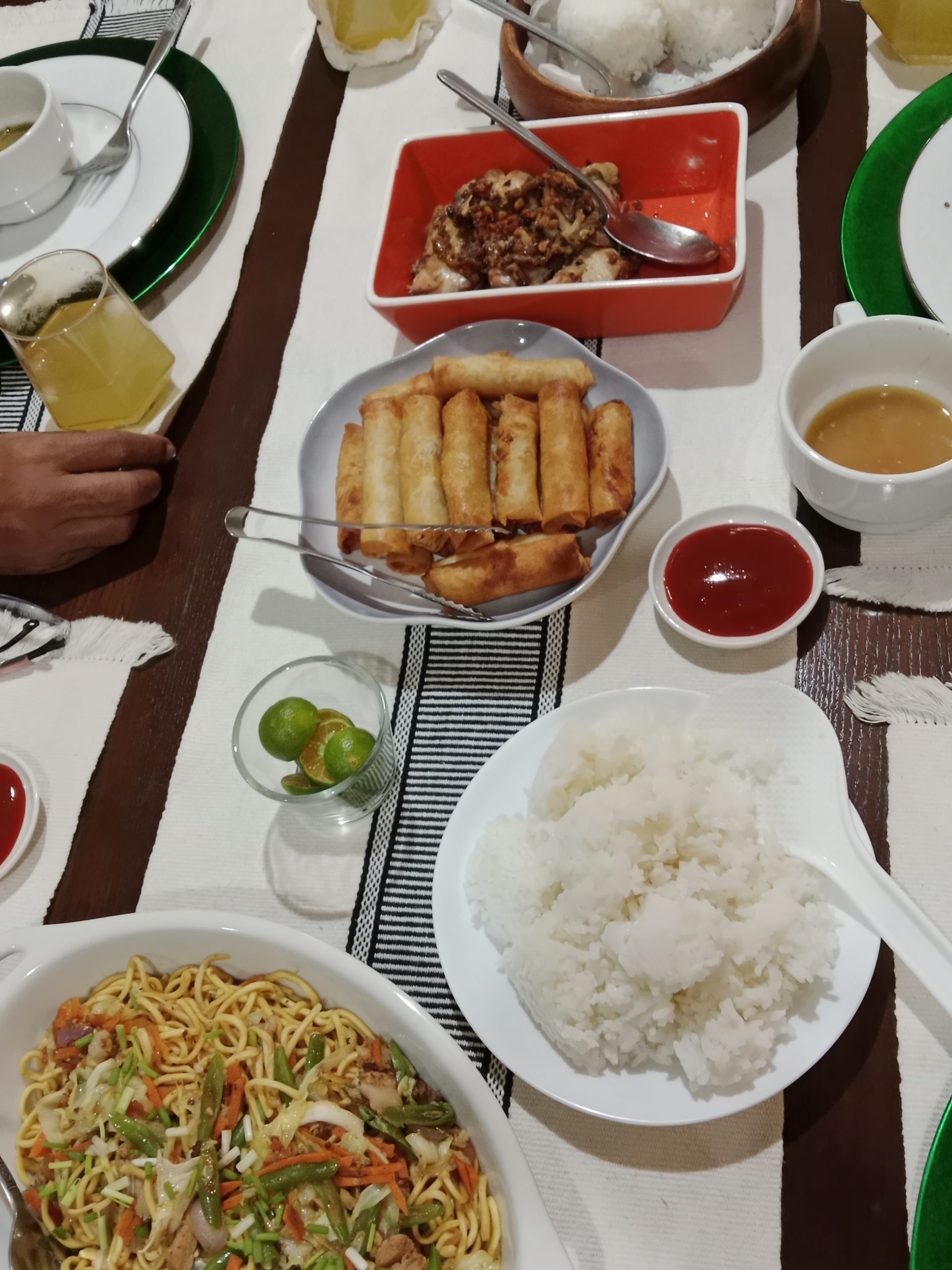
Lola doesn’t do recipes. Her hands know the measurements better than any cookbook ever will. A splash of vinegar. A generous pour of coconut milk. Fried milkfish with atsara that sings with sharpness and sugar.
Ginataang langka—jackfruit stewed in coconut, mellow and rich, kissed by fire. Fritters that crunch and disappear too fast. Changing based on what’s available or what’s in season. This isn’t food built to impress; it’s food that tells you who she is, where she came from, and how she’s kept her family fed through feast and famine.
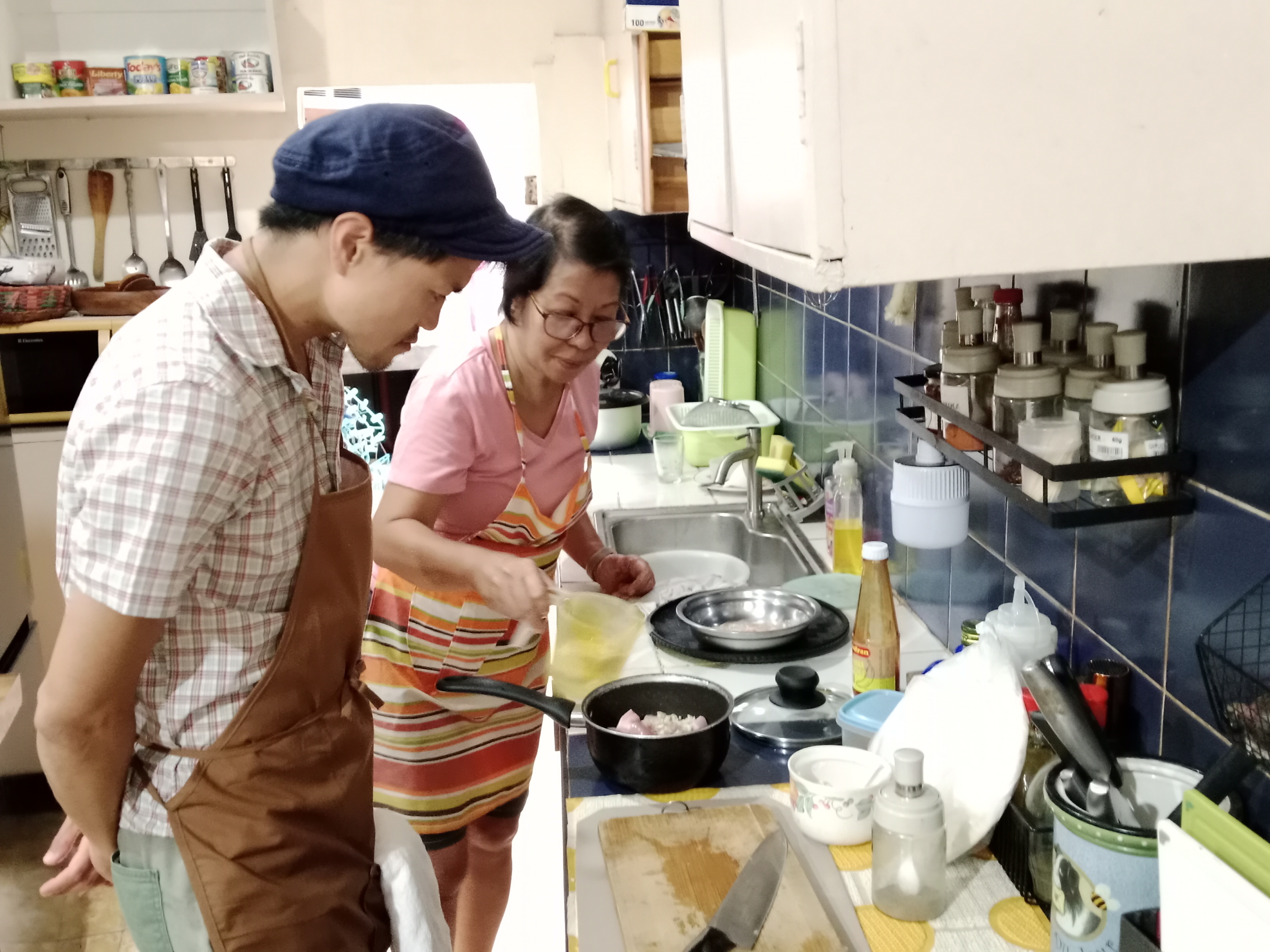
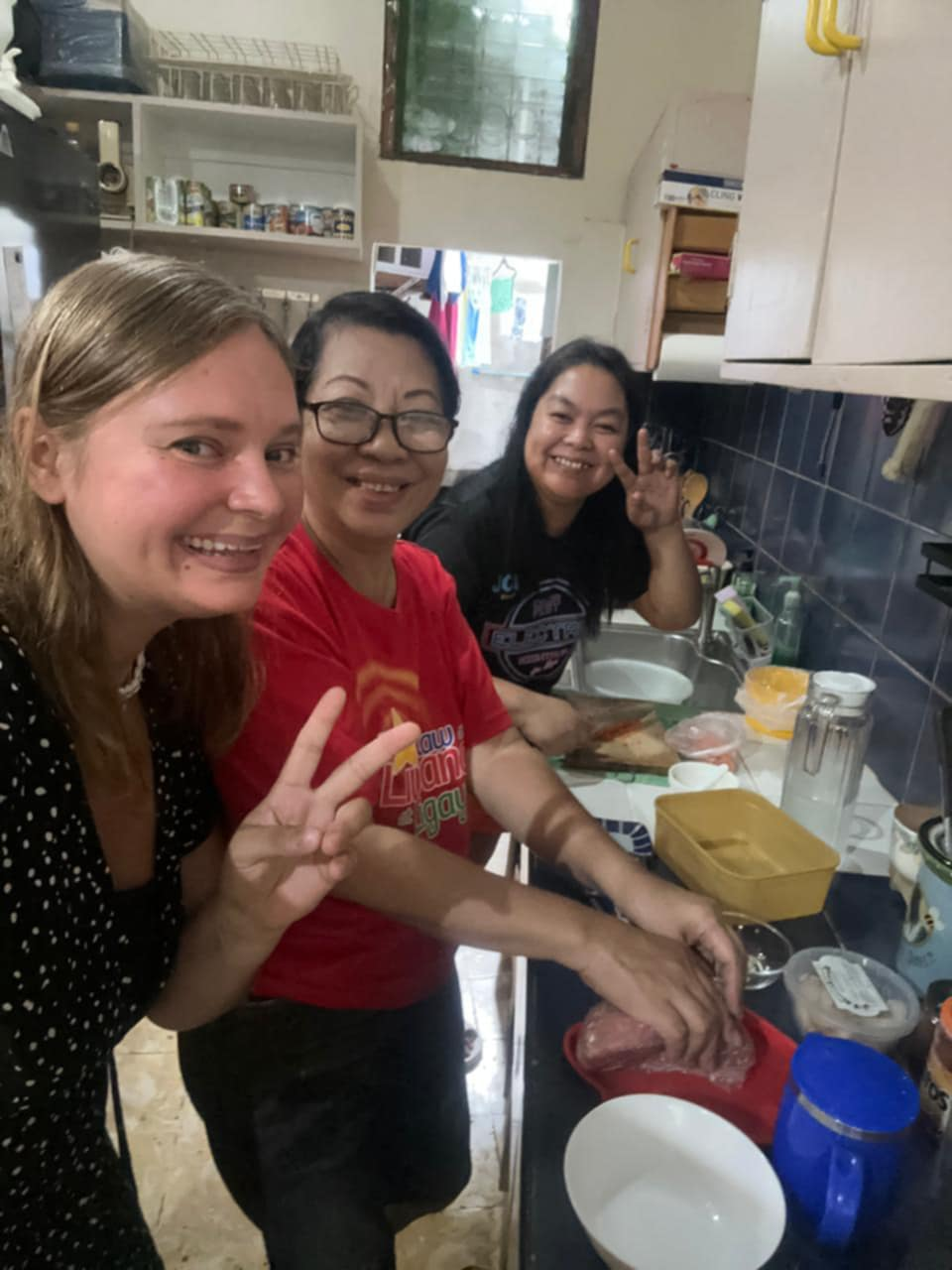
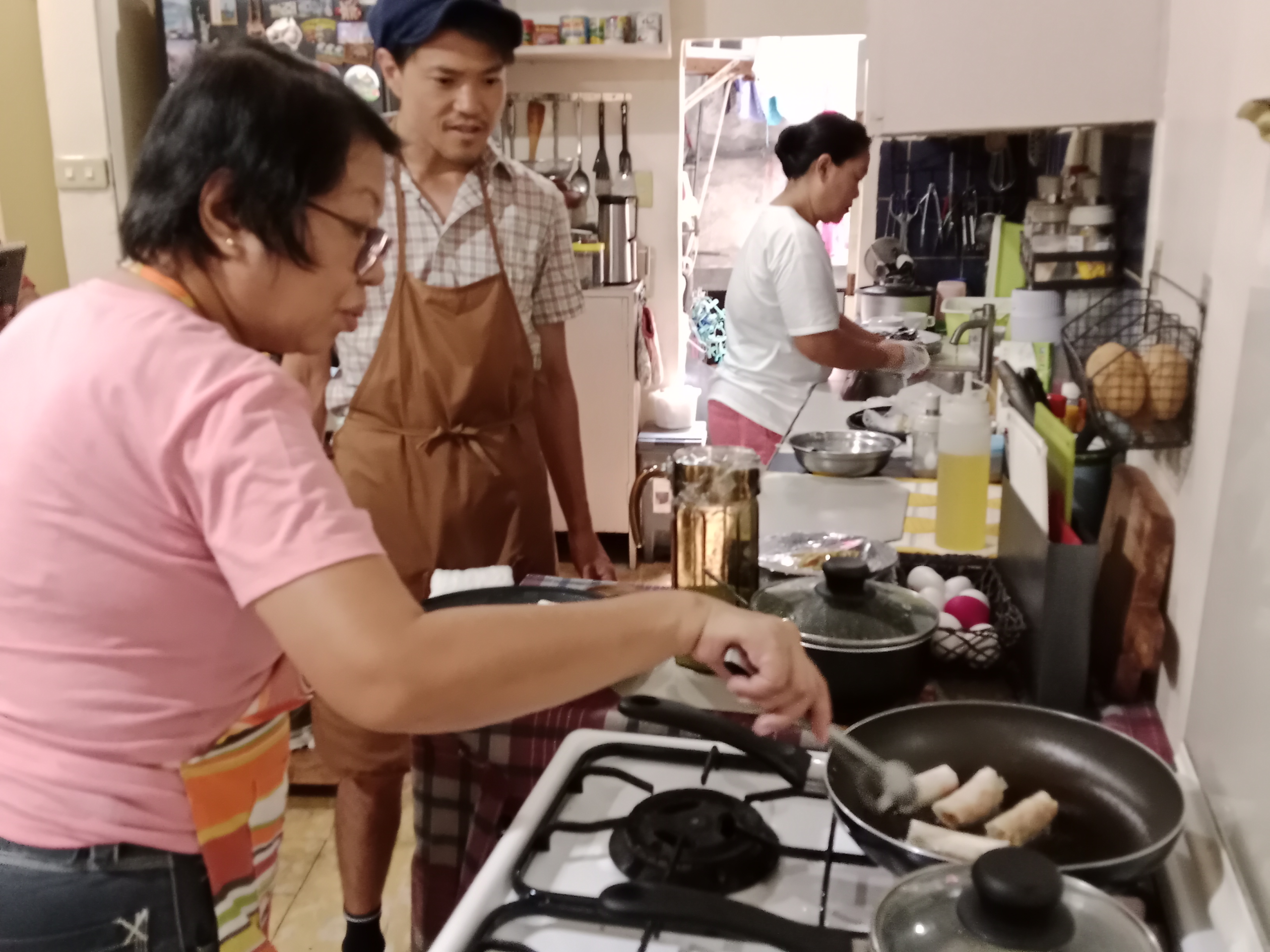
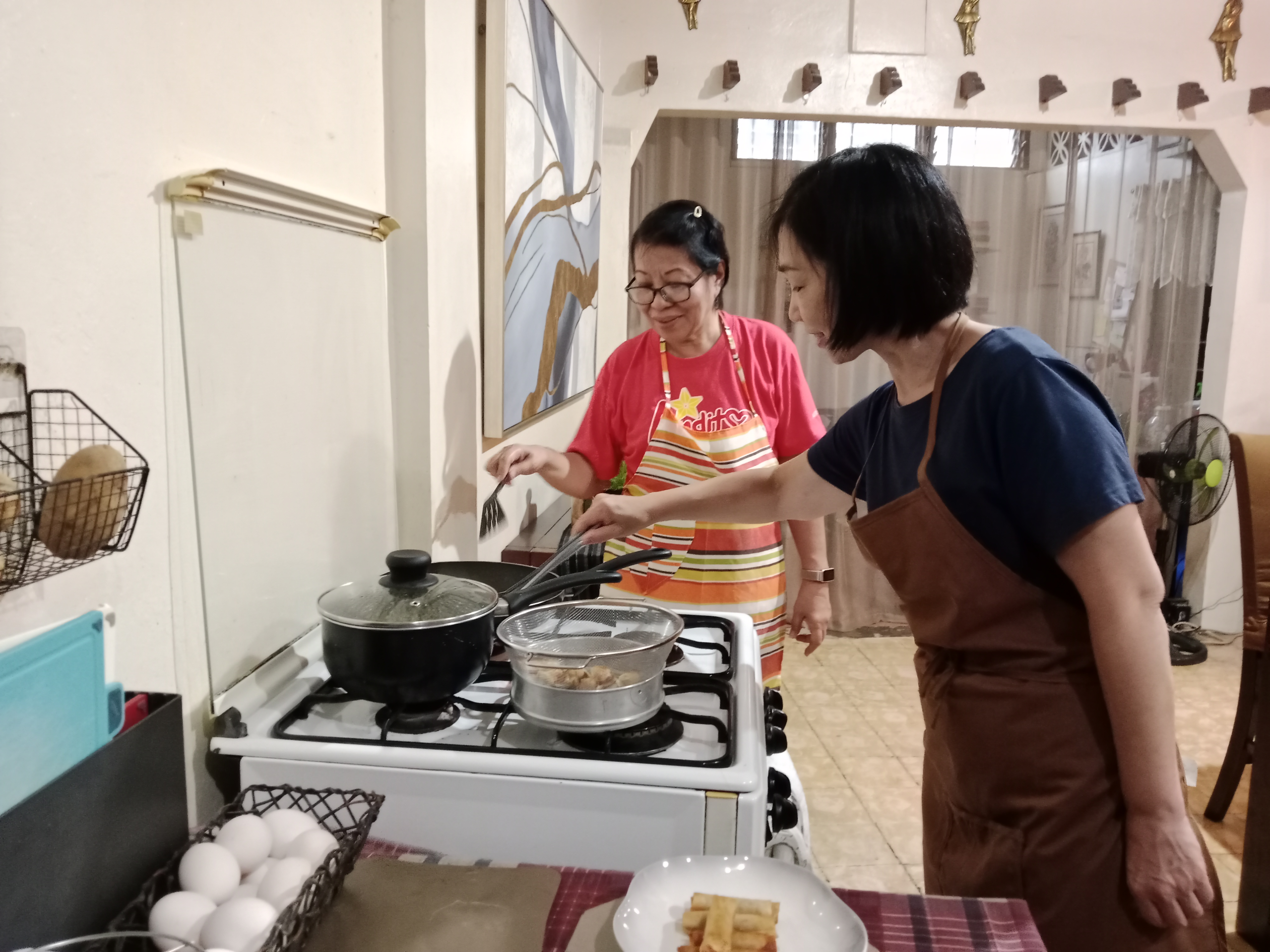
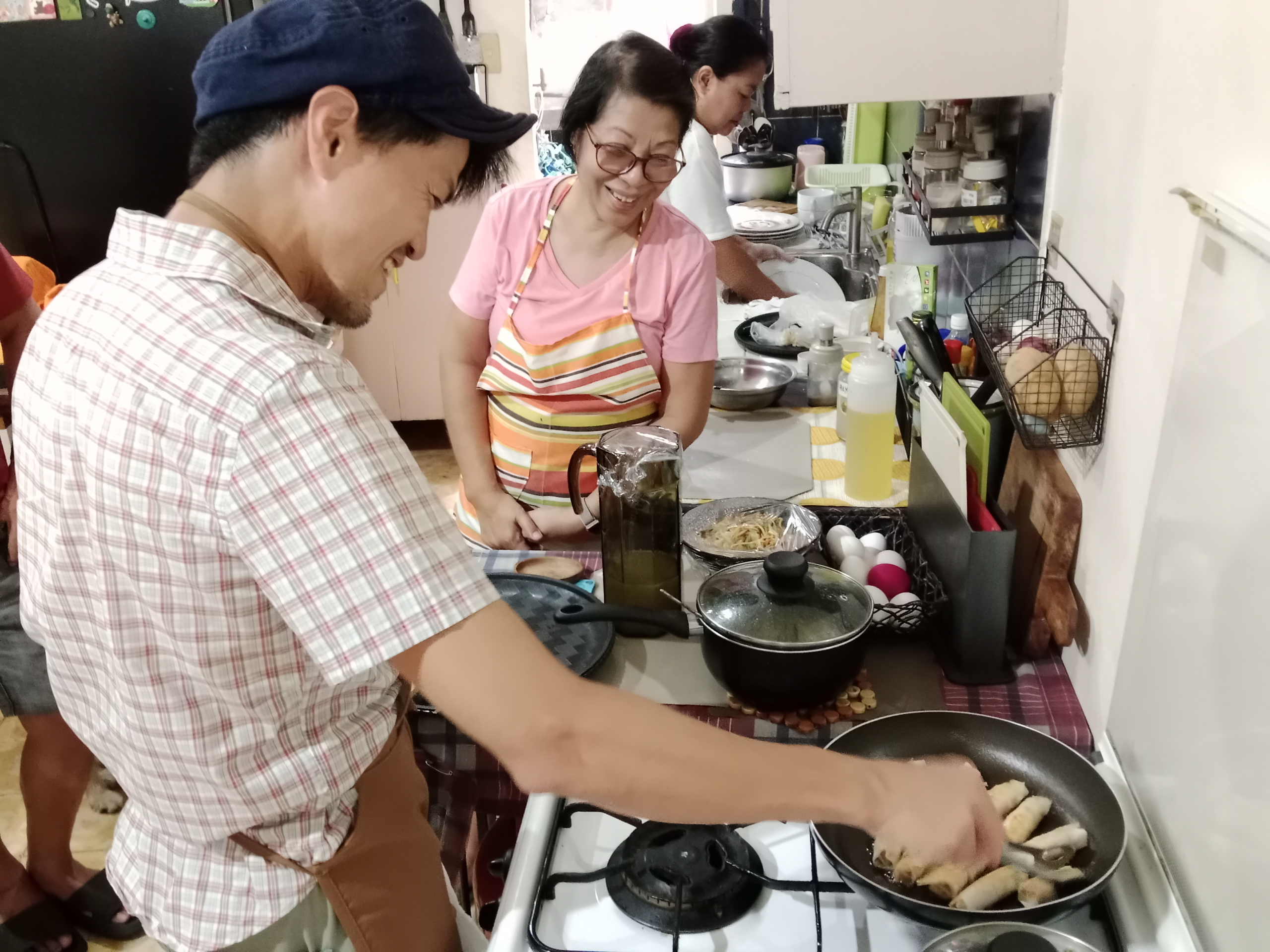
The kitchen is small, tight, alive. Her daughters and nieces move in a dance that’s been rehearsed for decades, tossing pans, slicing vegetables, teasing each other between tasks. It’s not just cooking. It’s a rhythm of life. There’s no “presentation” here, only generosity.
You don’t need to cook, unless you want to. You can sit back, sip a glass of cucumber tea, and just listen. Stories flow between bites, of childhoods before the malls, of typhoons and fiestas, of what it was like to raise kids on one pot and a whole lot of heart.
You learn about Taguig not through a tour guide, but through the memories baked into every dish.
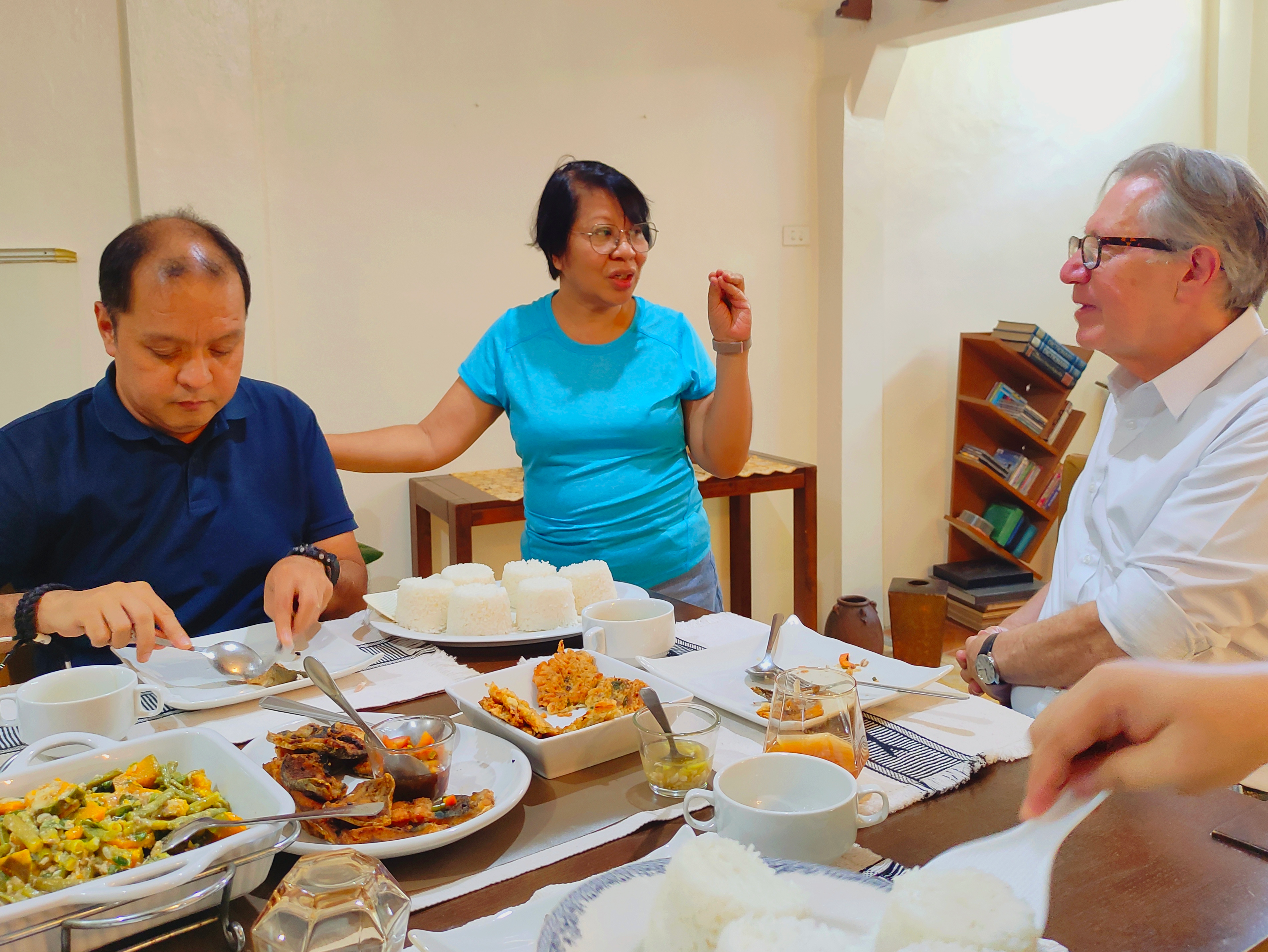
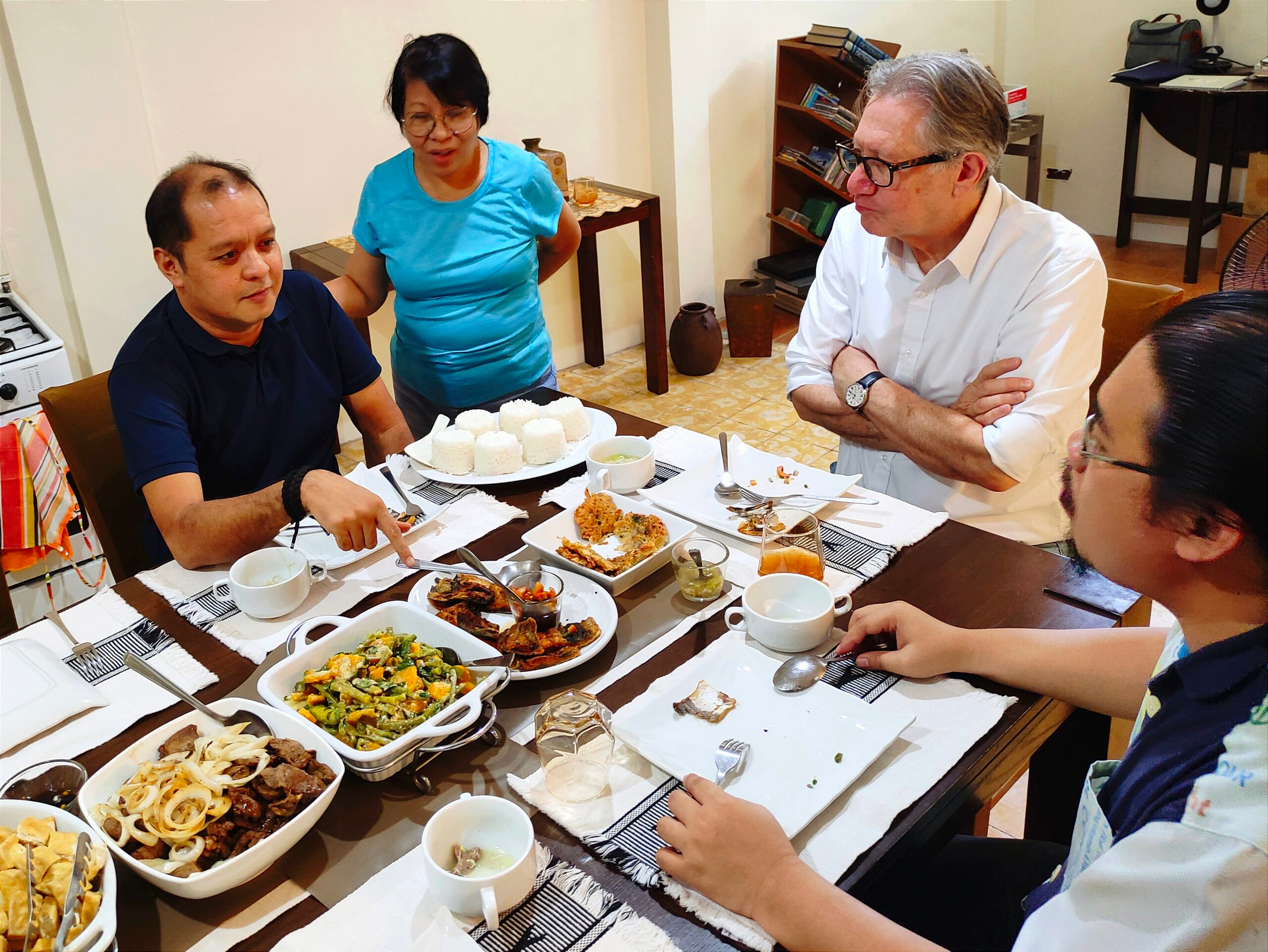
And then you eat. Not a tasting menu, not a deconstructed anything. A spread. A proper Filipino salo-salo. Plates of real food, still steaming, passed around with second and third helpings expected. No one leaves hungry here. That would be an insult to the house.
This kind of experience doesn’t belong on a checklist. It’s not something you do between tourist stops. It demands that you slow down. Pay attention. Be present.
In a world that’s increasingly curated and commercial, this meal cuts through the noise. It’s raw, it’s real, and it reminds you why food matters, not for the photos, but for the people behind the stove.
If you’re lucky, you’ll walk out full. But not just in your belly, but also in your chest. With the quiet warmth of having been welcomed by strangers who cooked for you like they’ve known you forever.
And that, my friends, is the best kind of travel.